Source Athletic Sneaker for Daily Life, Sports, and Leisure
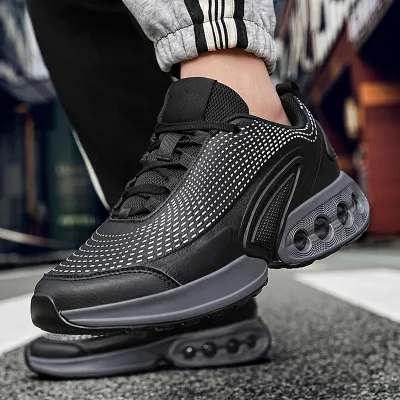
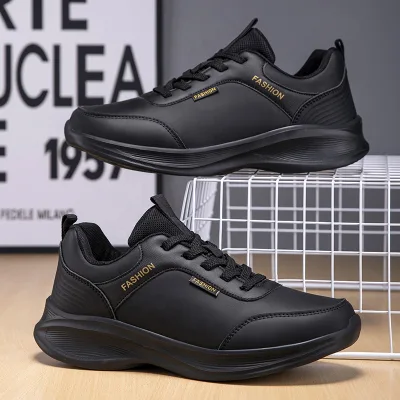
Explore 30 options for the athletic sneaker, featuring PU uppers, mesh linings, and rubber soles. Compare flat and low heel styles with lace-up or elastic band closures. These unisex sports shoes are available in black with original box packaging; compare the available evidence and request quotations based on your requirements.
Key considerations
Products List




Comprehensive Sourcing Guide
Athletic Sneaker Sourcing Guide
The global market for athletic sneakers presents a complex landscape where high-volume replicas and luxury sports shoes coexist with standard fitness footwear. Buyers must navigate listings that explicitly label products as "Replica Brand" or "Replica Original Shoes" while simultaneously offering "Luxury Sports Shoes" and "Designer Sneakers." This duality requires rigorous due diligence to distinguish between genuine manufacturing capabilities and unauthorized reproduction operations. Understanding these distinctions is the first step in mitigating legal risks and ensuring that the procurement strategy aligns with the intended market positioning.
Sourcing decisions must also account for the specific material compositions observed in current listings, such as PU uppers, mesh linings, and rubber outsoles. These materials define the functional performance of the shoe, influencing breathability, resilience, and durability for daily life and sports scenes. Procurement teams should verify that the selected materials match the intended use case, whether for high-intensity basketball activities or casual fashion wear, as the supply chain often mixes these categories under broad terms like "Sports Shoes" or "Fashion Shoes."
Product Scope and Observed Listing Signals
Buyers should expect a wide variance in product categorization, ranging from "Lady Shoe" and "Women Shoes" to unisex "Sports Shoes" and "Fitness Shoes." The observed data indicates that many listings utilize terms like "Putian Shoes" or "Yupoo" to describe the origin or sales channel, which often signals a specific type of manufacturing ecosystem focused on high-volume, cost-effective production. This terminology serves as a critical signal for buyers to investigate the legitimacy of the supply chain and the specific nature of the goods being offered.
The product scope also includes specific design attributes such as lace-up or elastic band closure patterns, flat or low heel heights, and round toe styles. These features are essential for determining the fit and comfort profile of the athletic sneaker. Procurement teams must ensure that the specific style, described as "Fashion" or "Designer," aligns with the target demographic's expectations, as the market often blends luxury aesthetics with replica manufacturing techniques to create a unique, albeit legally ambiguous, product offering.
Technical Specifications to Verify
Verification of technical specifications is paramount when dealing with athletic sneakers that claim features like being waterproof, breathable, or anti-microbial. Buyers must confirm that the listed materials, such as EVA insoles and cotton fabric linings, actually deliver the promised performance characteristics for the intended sports or leisure scenes. The presence of specific model numbers like 212, 122, or NK suggests a standardized production line, yet the variation in packing standards and dimensions indicates that each batch may differ significantly in physical attributes.
Dimensional and weight specifications provide further insight into the quality and consistency of the product. Listings may specify packing standards like 39 x 28 x 13 cm or 30 x 40 x 20 cm, with weights ranging from 0.6kg per pair to unspecified values. These metrics are critical for logistics planning and cost estimation, as inconsistent packaging dimensions can lead to unexpected shipping costs and storage inefficiencies. Buyers should demand precise technical data sheets that confirm these dimensions and weights for every specific model ordered.
Compliance and Safety Documentation
Navigating the compliance landscape for athletic sneakers requires careful attention to the legal implications of sourcing "Replica" or "Luxury Brand" items. Many listings explicitly state that the products are replicas, which can trigger intellectual property violations in many jurisdictions. Procurement teams must verify that the supplier has the necessary authorization to manufacture and sell these goods, or alternatively, ensure that the buyer is prepared to operate within a market where such replicas are legally permissible.
Safety documentation should also address the specific care and usage instructions provided for the footwear. Attributes like "Avoid Sun Exposure" suggest that the materials may degrade under certain environmental conditions, impacting the longevity and safety of the product. Buyers must ensure that the supplier provides clear guidance on maintenance and usage to prevent premature failure of the shoe, which could lead to liability issues if the product fails during athletic activities due to material degradation or manufacturing defects.
Cost Drivers and Commercial Terms
The cost structure for athletic sneakers is heavily influenced by the complexity of the design and the specific materials used, such as PU uppers or rubber outsoles. The observed price range of 3.4 to 58 USD reflects a broad spectrum of quality and brand positioning, from basic fitness shoes to high-end designer replicas. Buyers must analyze the cost drivers carefully, understanding that lower prices often correlate with reduced material quality or less rigorous quality control processes, which can impact the overall value proposition of the purchase.
Commercial terms, including Minimum Order Quantity (MOQ) and delivery times, vary significantly across the market. Listings show MOQs ranging from a single pair to 800 units, with delivery times as short as three days for samples or standard orders. These terms allow for flexible procurement strategies, enabling buyers to test the market with small orders before committing to larger volumes. However, the variability in lead times and MOQs requires careful negotiation to ensure that the supply chain can meet the buyer's demand without incurring excessive costs or delays.
Supplier Qualification and Quality Control
Supplier qualification in this sector requires a deep understanding of the manufacturing capabilities and the specific nature of the products offered. The presence of terms like "Original Box" and "Originals Sneakers & Clothing" suggests that some suppliers may be attempting to pass off replica goods as authentic, which necessitates a robust verification process. Buyers should request detailed information about the factory's production capacity, quality control protocols, and the specific standards used to ensure that the final product meets the required specifications.
Quality control measures must be tailored to the specific attributes of the athletic sneakers, such as the resilience, breathability, and anti-microbial properties claimed in the listings. Regular inspections should focus on the consistency of materials, the accuracy of the model numbers, and the integrity of the packaging. Given the high volume of replicas in the market, buyers should implement strict quality assurance checks to ensure that the products received match the samples provided and that the manufacturing process adheres to the agreed-upon standards.
Long-Term Procurement Checks
Establishing a long-term procurement strategy for athletic sneakers involves continuous monitoring of market trends and supplier performance. The dynamic nature of the market, with frequent changes in product models and styles, requires buyers to stay informed about new developments and emerging trends. Regular reviews of supplier performance, including delivery times, product quality, and compliance with legal standards, are essential to maintaining a reliable supply chain and ensuring that the procurement strategy remains effective over time.
Buyers should also consider the potential risks associated with sourcing replica goods, including legal challenges and reputational damage. Long-term success depends on building relationships with suppliers who can provide consistent quality and compliance, even in a market dominated by replicas. By maintaining open communication and conducting regular audits, buyers can mitigate these risks and ensure that their procurement strategy aligns with their business goals and ethical standards.
FAQs
What materials are used for the upper and lining?
The upper material is PU and the lining options include mesh or cotton fabric. The insole is made of EVA while the outsole uses rubber. These materials ensure durability and comfort for daily wear and sports activities.
Can I customize the athletic sneaker designs?
Yes, customization is available for these athletic sneakers. Buyers can request specific changes to meet their needs. The products come in original boxes and are designed as replica luxury sports shoes for various fashion preferences.
What is the minimum order quantity for these shoes?
The minimum order quantity is one pair for this product. However, observed listings show a range from one to eight hundred pairs. This flexibility allows buyers to start with small orders or scale up quickly.
How long does delivery take for these sneakers?
Delivery time is about three days for these athletic sneakers. This fast turnaround supports urgent sourcing needs. The products originate from China and are packed in original boxes weighing approximately 0.6kg per pair.
Which shoe styles are available in this collection?
Available styles include lace-up and elastic band closures with flat or low heel heights. The toe style is round and suitable for daily life, leisure, and sports. Colors include black and various designer sneaker options.
Are these shoes suitable for sports and fitness?
Yes, these shoes are designed for sports, fitness, and daily leisure activities. They feature resilient, breathable, and anti-microbial properties. The waterproof capability adds versatility for various weather conditions and intense physical activities.
What are the standard packaging dimensions for the shoes?
Standard packaging dimensions vary between 30 by 40 by 20 cm and 39 by 28 by 13 cm. Each pair is packed in an original box. This ensures safe transport and presentation for retail or wholesale distribution channels.